What we mean by healing-centered
Much of the world meets pain by asking what is wrong with people. Healing-centered work, a term shaped by Shawn Ginwright, asks a different question: what is still strong, still alive, still possible in us, and in what surrounds us?
We work from the sources of health, not only the sites of harm. We read protective responses, like the urge to fight, flee, freeze, or please, as a body doing its best to keep us safe, not as a failure, and we understand that healing does not stay inside one person. It moves through families, teams, communities, and the systems that hold them.
That is why healing and liberation belong together. A nervous system shaped by generations of extraction and control does not settle through individual effort alone. It settles in relationship, in community, and in systems built for care.
OUR MISSION
Refugia supports systemic change through healing-centered, liberatory practice. We equip the leaders, facilitators, coaches, and practitioners who work inside teams, schools, and communities, so that the spaces they hold become places of resilience and renewal. We resource the people who resource others.

Our vision
The world we are reimagining and reweaving:
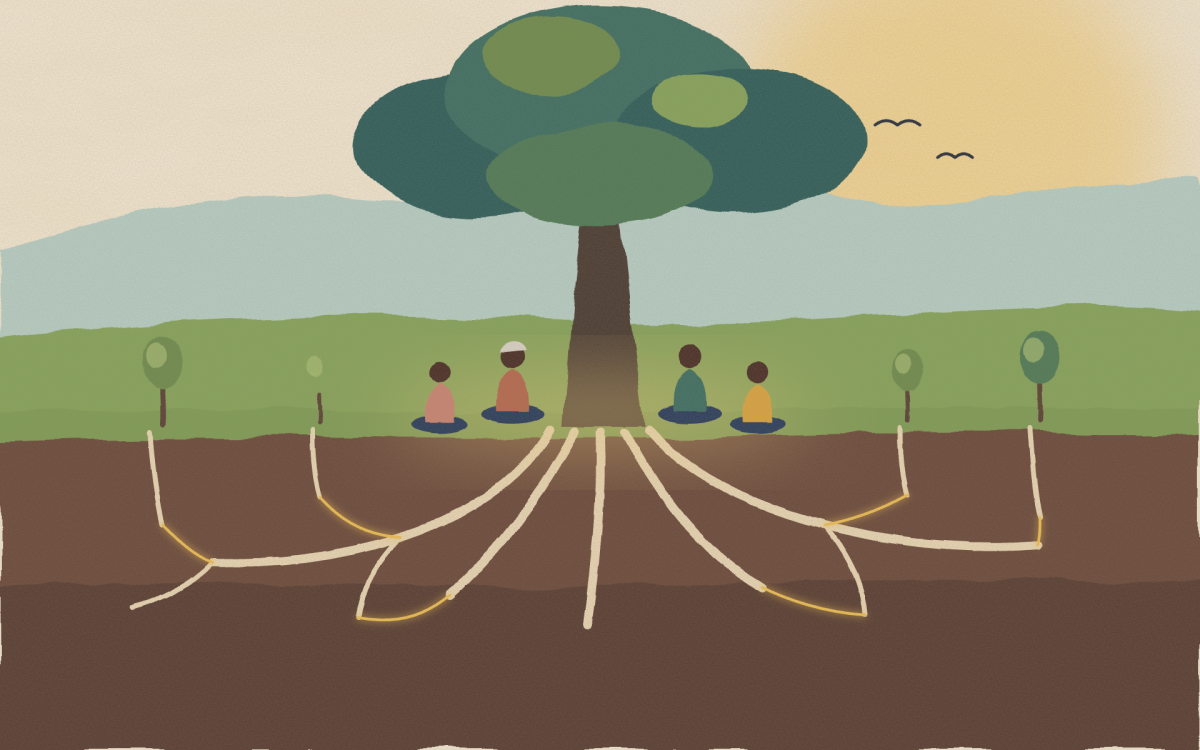
A world where leaders and communities are rooted in their own wisdom, tending one another and shaping systems that care for all life.
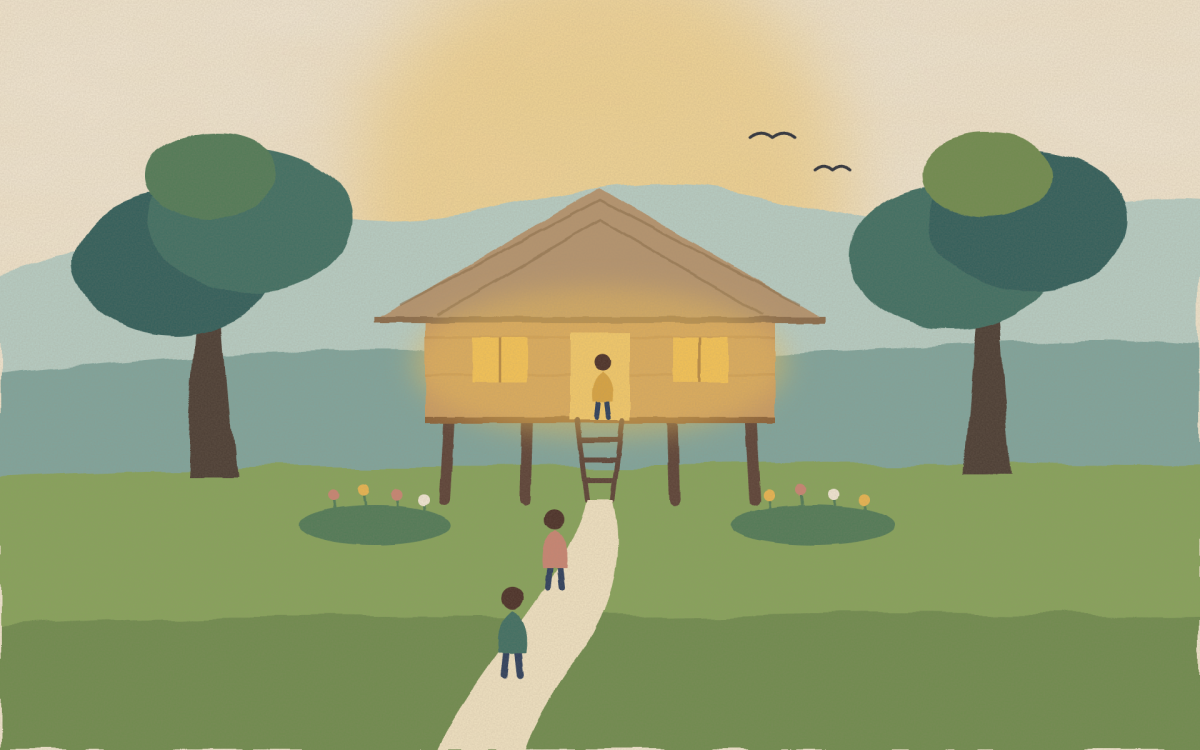
A world where the places people lead, learn, and gather become places of refuge, and where settled bodies settle the systems around them.
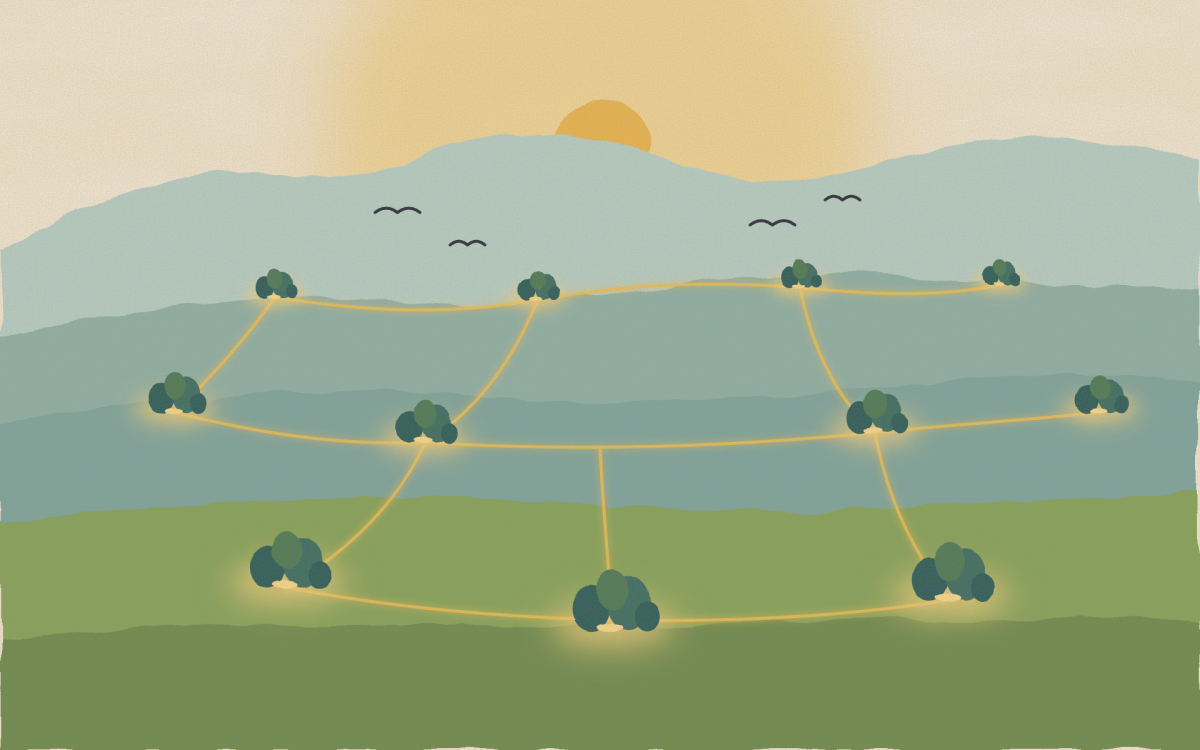
A world where every community has its refugia, places where people are held through hard seasons and from which healing and liberation spread outward.
OUR CORE BELIEFS
What guides us
We are all born whole.
We start from what is already strong and alive in people, not from what is broken. This is the salutogenic view: asking where health comes from, not only what causes harm. Hard histories and unhealed wounds can disconnect us from our wholeness, but they do not erase it. Healing is a liberatory practice of returning to it, through inner awareness, attunement, alignment, and agency.
Healing is a community effort.
No one heals alone. In Filipino, kaginhawaan names a well-being rooted in ginhawa, the breath of life. It is not only something we feel inside; it lives in our relationships, our culture, and our communities. Our breath, our ease, and our vitality are intertwined. When one of us can rest, recover, or begin again, it is because others are holding something with us.
We believe in the shared self.
Kapwa, a core value in Filipino psychology, means the self is shared with others. I care about you because I am you, and you are me. This is why healing and liberation cannot be separated: your well-being is tied to mine, and none of us is free while others are held down.
Settled bodies settle bodies. Settled bodies settle systems.
Systems are made of relationships, and relationships are made of nervous systems meeting one another. A settled presence can calm a room, steady a team, and change how decisions get made. That is why our healing is the biggest lever we have for systems change. It ripples outward into every space we hold.
OUR COMMITMENTS
How we tend the work, and one another.
We honor many ways of knowing.
Like the diverse life a refugium shelters, collective strength grows from our differences. We bring ancestral and Indigenous wisdom into conversation with science, without placing one above the other.
We meet people where they are.
No one has to arrive ready. We move at the pace that feels good enough for now and safe enough to try, a principle we carry from sociocracy, so change can take root without force.
We sense the field through pakikiramdam.
Before we act, we listen with the whole body: to ourselves, to one another, to the depth, and to what is emerging. Pakikiramdam, the Filipino practice of deep sensing, guides how we hold space, make decisions, and respond.

We create spaces that are both safer and braver.
Spaces where people feel seen, heard, and valued, and where it is possible to stay present with what is hard.
We learn through reflection and practice.
We are building our shared capacity to adapt, recover, and act together through change.
We value restoration and repair.
Harm lives not only in individuals but in families, cultures, and histories. We tend to the healing of ancestral and cultural histories, so that what was broken across generations can begin to mend, and what was kept alive can be remembered forward.

Where Refugia began
ABOUT LANA
I am Lana Kristine Flores-Jelenjev, a Filipina facilitator, writer, and systems weaver, re-rooting in the Netherlands.
I come from a family of caregiving women. I cared for my mother through her breast cancer, and years later I faced my own. Refugia began then, as a tending place: I started writing to share what was alive in me with the people I love. The writing became a way to notice how I was being held by my family, my friends, my communities, and by practices my grandmother and mother lived long before I had words for them.
My Nanay taught me to flock: ring the bell when you need help, hold each other’s hands tighter on hard crossings, and always keep food on the table for whoever comes. Those lessons became the ground of this work. For more than twenty years I have held learning and healing spaces across cultures and continents. I began as a play therapist at the Philippine General Hospital, working with children in marginalized communities. Today I accompany leaders of international organizations and networks working toward a more just world.
My work weaves together Sikolohiyang Pilipino (Filipino psychology), nervous system literacy, and systems weaving. I studied Family Life and Child Development at the University of the Philippines Diliman, and I co-founded the Neurodiversity Education Academy. Over the years, the writing grew into frameworks, programs, card decks, and circles for leaders, facilitators, and changemakers. Now Refugia is becoming a foundation so the work can reach further than one person ever could and return resources to communities in the Philippines whose knowledge has kept life going for generations.
Who holds Refugia
Refugia is held by two circles, each with its own role, and both are accountable first to the communities we serve.
The Council of Elders guards the foundation's heart: its mission, values, and long-term direction. Elders bring wisdom, accountability, and care, and they can tell us no when we drift from our roots.
The Stewardship Circle tends the foundation's daily life: carrying out the work, caring for its people and partnerships, and bringing its questions and decisions to the Council. The Council guides; the Stewardship Circle tends.
Together they keep Refugia honest to its roots while it grows. Both circles are forming now. We are taking time to listen for who should be part of them, and how stewardship will be shared and passed on.
Walk with us
Whether you come to rest, to learn, to partner, or to give, there is a place for you here.